Understanding the Benefits of Artificial Turf
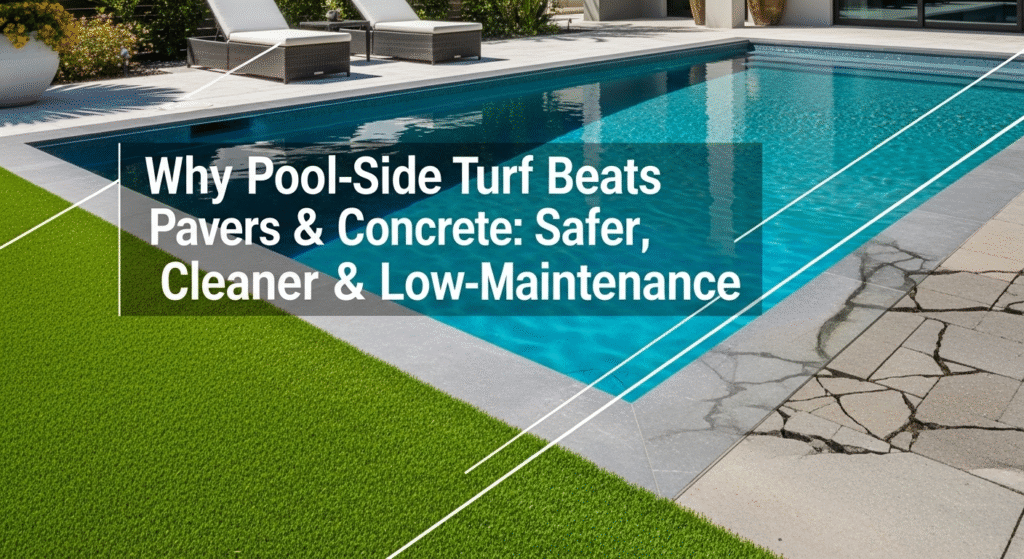
Artificial turf offers numerous advantages over traditional grass lawns, making it an appealing choice for homeowners. One of the primary benefits is its low maintenance requirements, which eliminate the need for mowing, watering, and fertilizing. This not only saves time and effort but also reduces water bills and environmental impact.
Additionally, artificial turf is highly durable and can withstand heavy foot traffic, making it ideal for families with children and pets. It remains green and lush throughout the year, regardless of weather conditions, providing a consistently attractive outdoor space. Furthermore, many modern artificial turfs are designed with UV protection, ensuring they won’t fade in the sun.
Choosing the Right Type of Artificial Turf for Your Needs
Selecting the appropriate artificial turf can significantly affect the overall satisfaction with your outdoor space. Factors to consider include the intended use, such as whether it will be for a play area, pet space, or landscaping. Different types of turf are designed to cater to various needs, ensuring optimal performance and aesthetics.
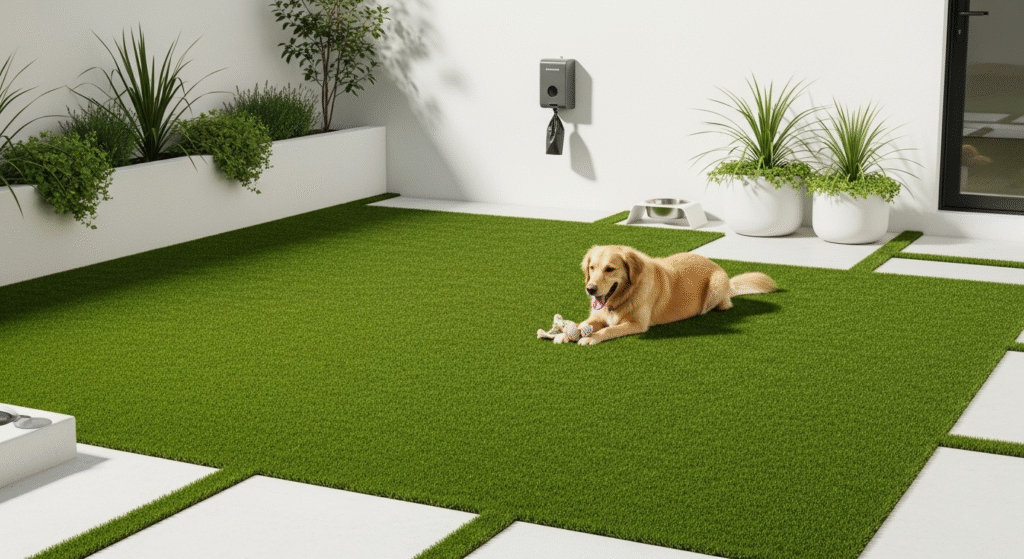
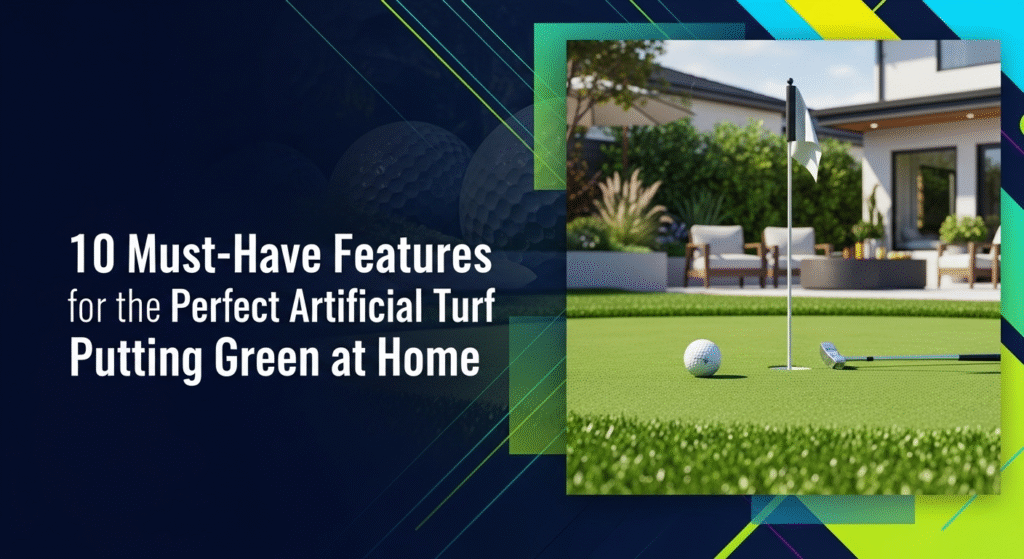
For example, pet-friendly turf is often made from materials that are resistant to odors and easy to clean, while sports turf is engineered to provide a more resilient surface for athletic activities. Consulting with a professional installer can help homeowners make informed decisions based on their specific requirements and preferences.
Maintenance Tips for Artificial Turf
While artificial turf is low maintenance, it still requires some upkeep to ensure it remains in excellent condition. Regular brushing helps to keep the fibers upright and can prevent matting, which is crucial for maintaining an appealing appearance. Additionally, rinsing the turf with water can help remove dust, debris, and pet waste, contributing to a clean and hygienic environment.
It’s also advisable to inspect the turf periodically for any signs of damage or wear. Addressing minor issues promptly can extend the life of the installation. Most manufacturers provide guidelines on maintenance procedures, and following these recommendations can enhance the longevity and performance of your artificial turf.
Cost Considerations for Artificial Turf Installation
Understanding the costs associated with artificial turf installation is essential for homeowners planning to make the switch. Initial investment can vary based on factors such as the quality of the turf, the size of the area, and the complexity of the installation. While the upfront cost may be higher than natural grass, the long-term savings in maintenance and water bills often justify the expense.
Additionally, many homeowners find that the aesthetic and functional benefits of artificial turf enhance property value. It’s wise to obtain multiple quotes from reputable installers to ensure competitive pricing and quality service. Budgeting for potential extras, such as drainage solutions or infill materials, can also help avoid surprises during the installation process.
Understanding the Benefits of Artificial Turf
Artificial turf offers numerous advantages over traditional grass lawns, making it an appealing choice for homeowners. One of the primary benefits is its low maintenance requirements, which eliminate the need for mowing, watering, and fertilizing. This not only saves time and effort but also reduces water bills and environmental impact.
Additionally, artificial turf is highly durable and can withstand heavy foot traffic, making it ideal for families with children and pets. It remains green and lush throughout the year, regardless of weather conditions, providing a consistently attractive outdoor space. Furthermore, many modern artificial turfs are designed with UV protection, ensuring they won’t fade in the sun.
Choosing the Right Type of Artificial Turf for Your Needs
Selecting the appropriate artificial turf can significantly affect the overall satisfaction with your outdoor space. Factors to consider include the intended use, such as whether it will be for a play area, pet space, or landscaping. Different types of turf are designed to cater to various needs, ensuring optimal performance and aesthetics.
For example, pet-friendly turf is often made from materials that are resistant to odors and easy to clean, while sports turf is engineered to provide a more resilient surface for athletic activities. Consulting with a professional installer can help homeowners make informed decisions based on their specific requirements and preferences.
Maintenance Tips for Artificial Turf
While artificial turf is low maintenance, it still requires some upkeep to ensure it remains in excellent condition. Regular brushing helps to keep the fibers upright and can prevent matting, which is crucial for maintaining an appealing appearance. Additionally, rinsing the turf with water can help remove dust, debris, and pet waste, contributing to a clean and hygienic environment.
It’s also advisable to inspect the turf periodically for any signs of damage or wear. Addressing minor issues promptly can extend the life of the installation. Most manufacturers provide guidelines on maintenance procedures, and following these recommendations can enhance the longevity and performance of your artificial turf.
Cost Considerations for Artificial Turf Installation
Understanding the costs associated with artificial turf installation is essential for homeowners planning to make the switch. Initial investment can vary based on factors such as the quality of the turf, the size of the area, and the complexity of the installation. While the upfront cost may be higher than natural grass, the long-term savings in maintenance and water bills often justify the expense.
Additionally, many homeowners find that the aesthetic and functional benefits of artificial turf enhance property value. It’s wise to obtain multiple quotes from reputable installers to ensure competitive pricing and quality service. Budgeting for potential extras, such as drainage solutions or infill materials, can also help avoid surprises during the installation process.